Collections
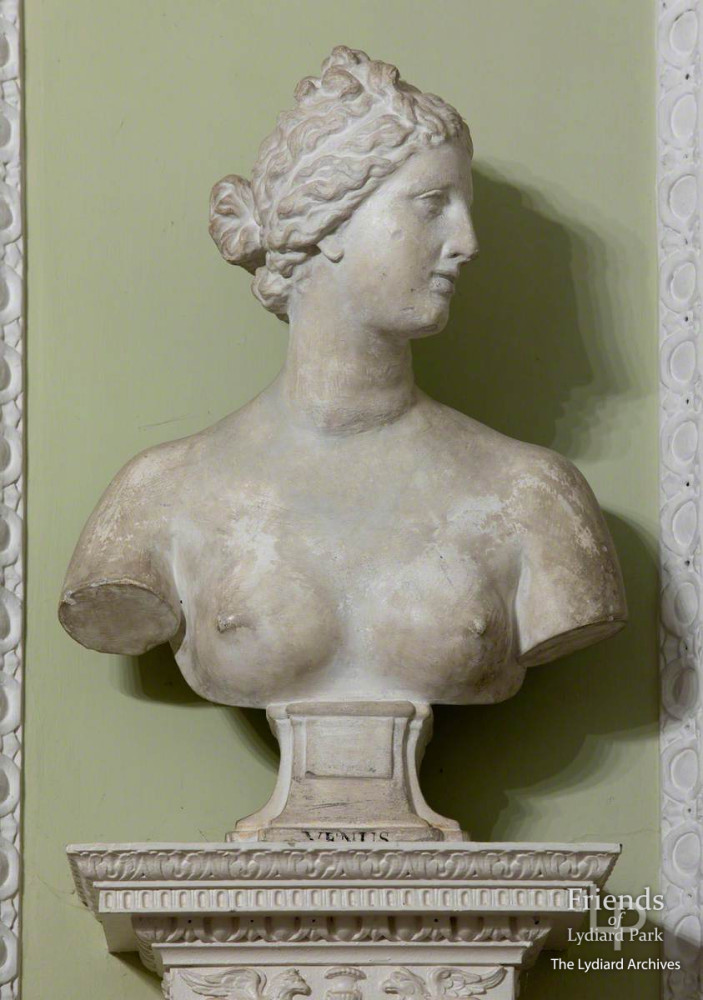
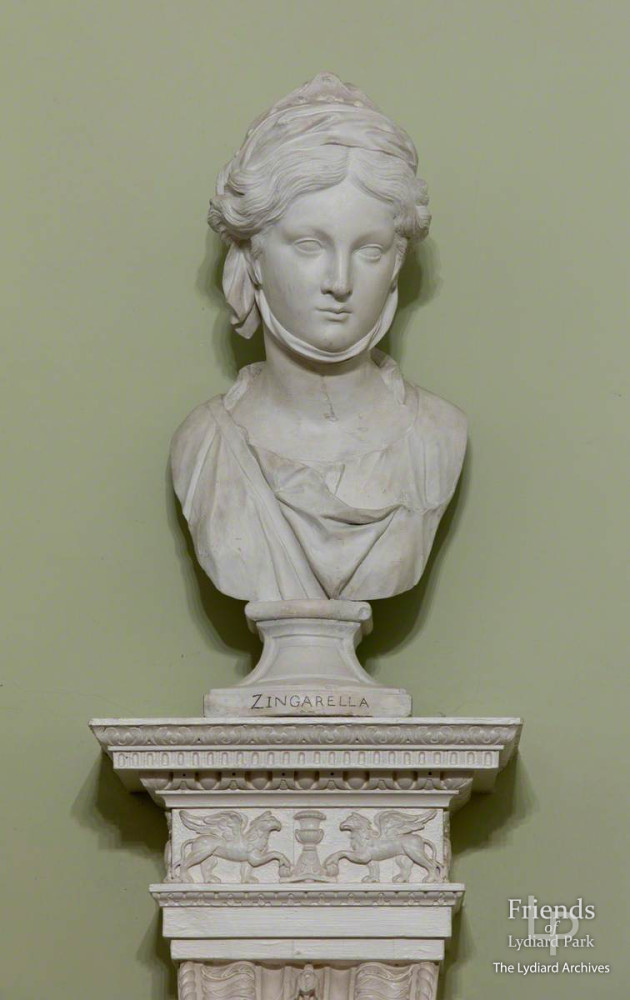
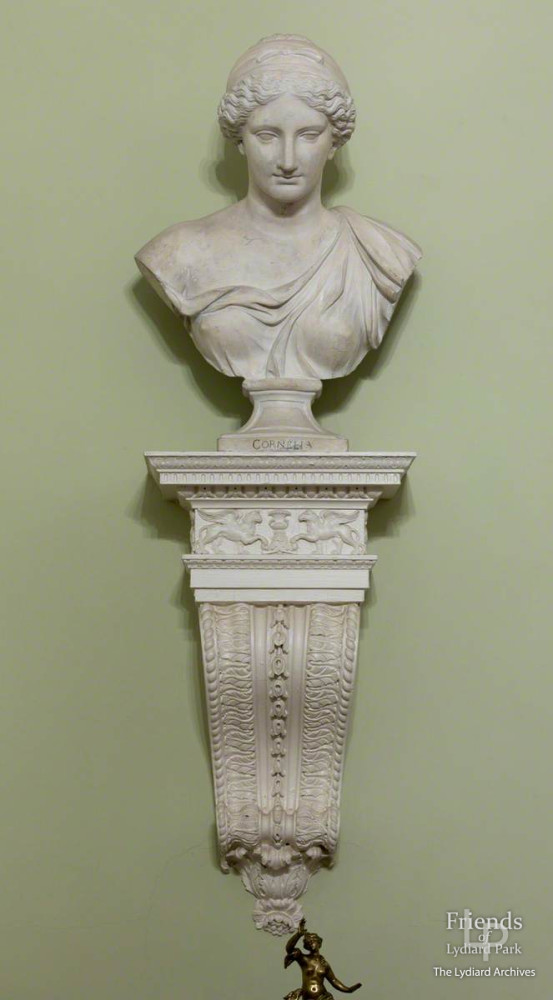
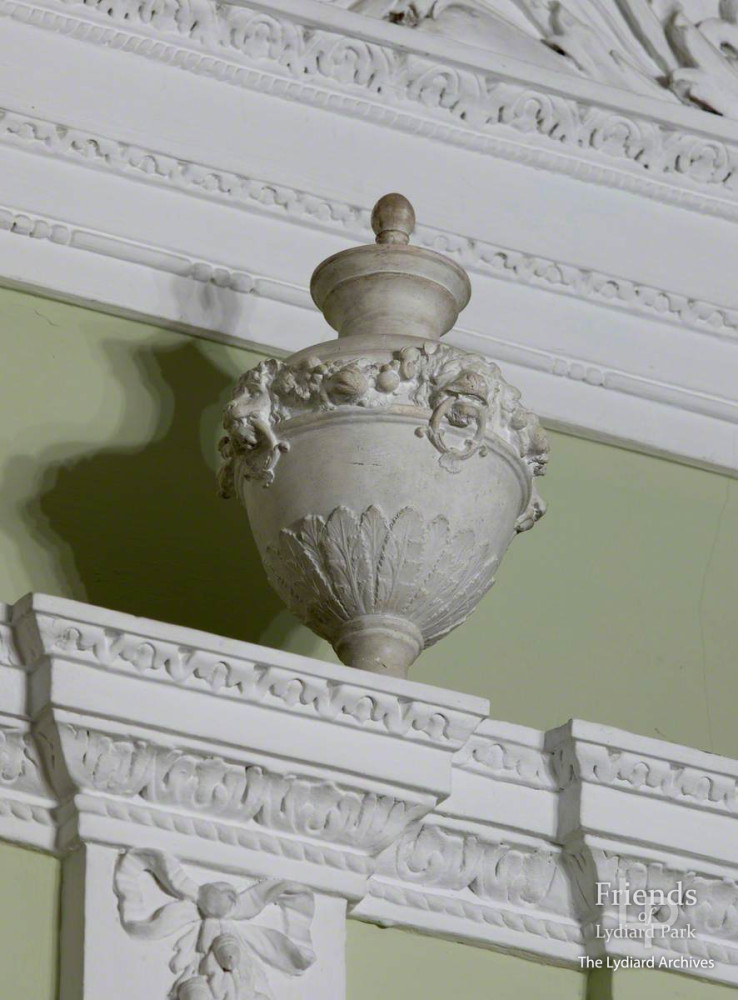
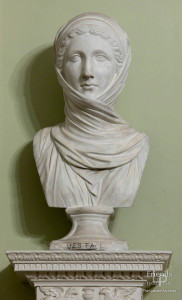
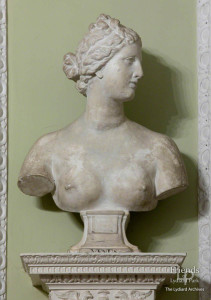
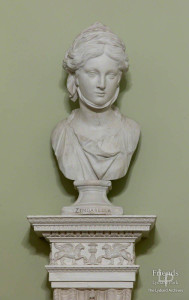
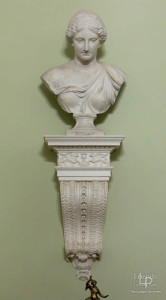
Plaster busts & urns (9), Lydiard House, c1743
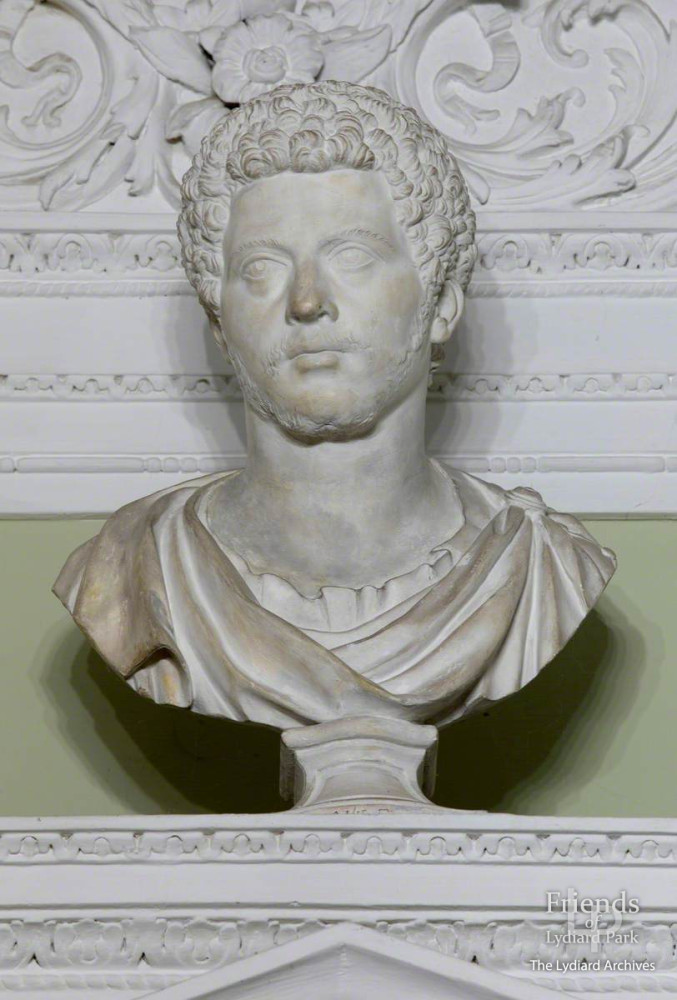
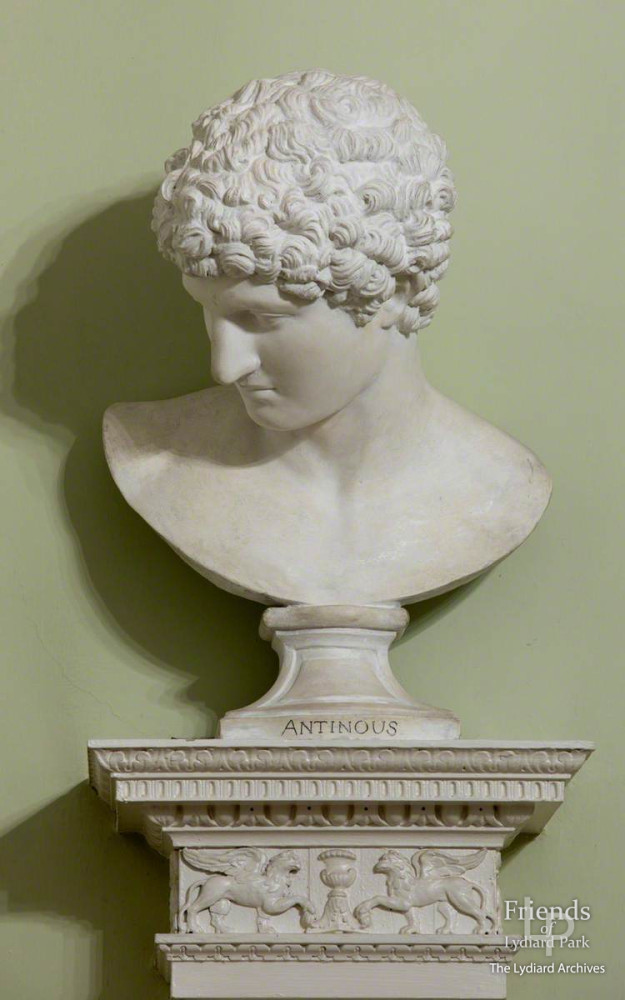
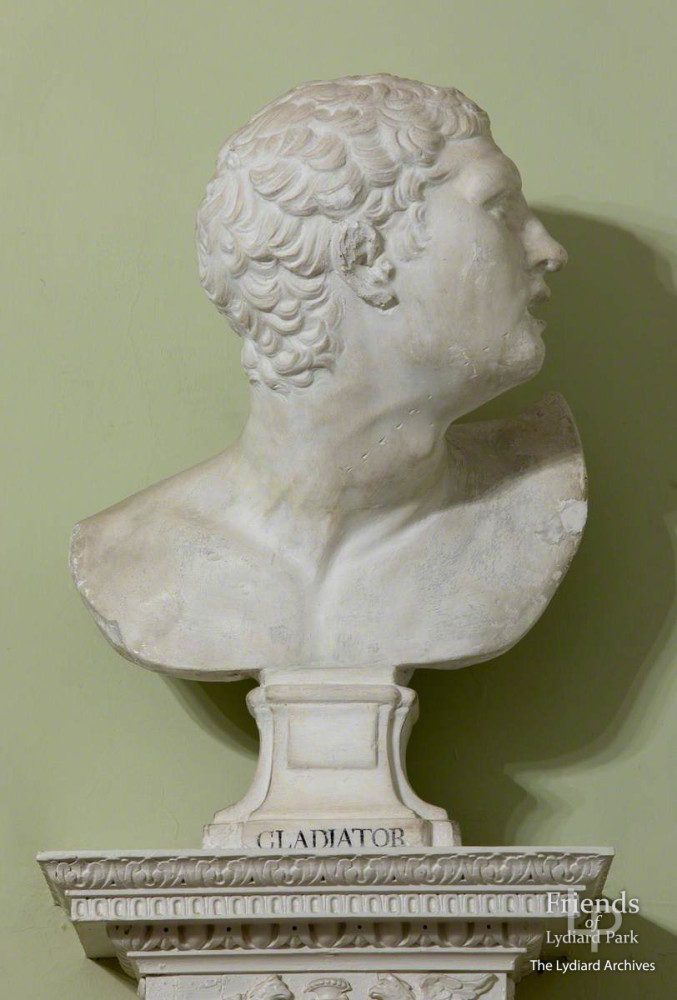
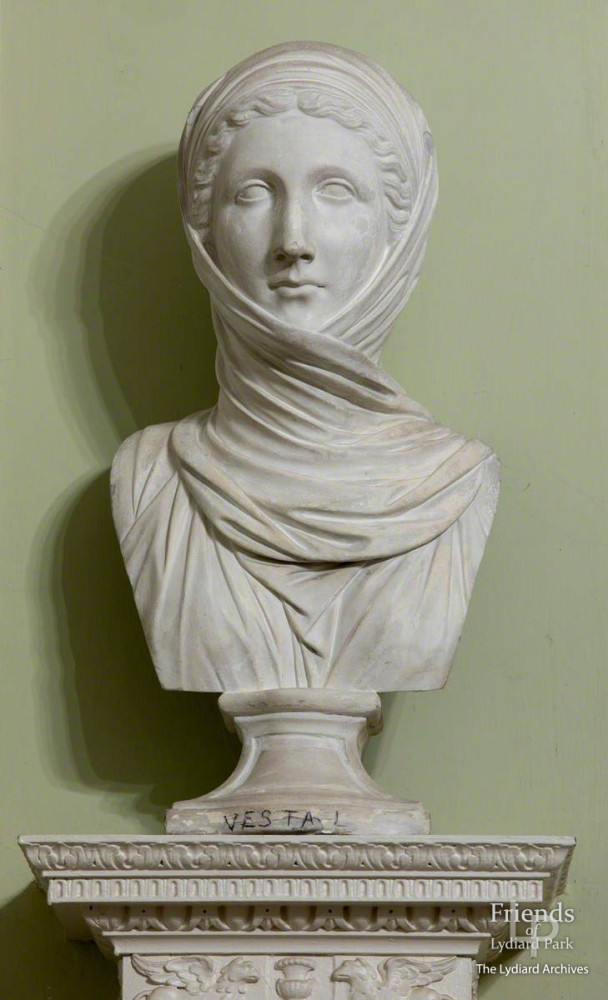
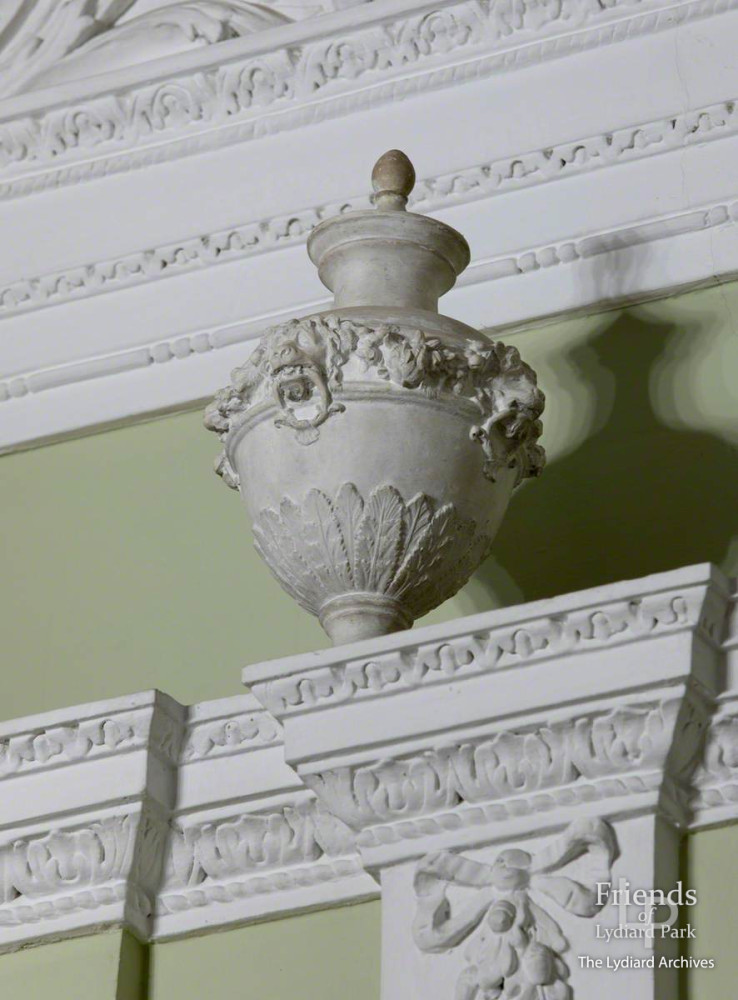
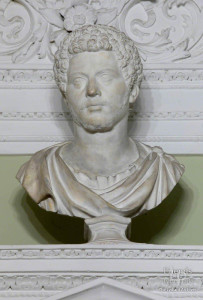
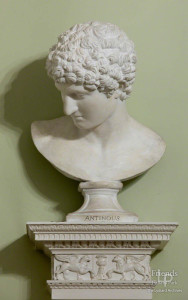
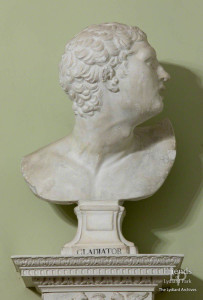
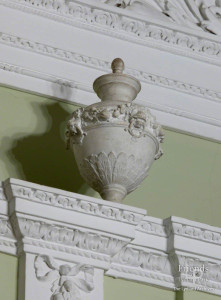
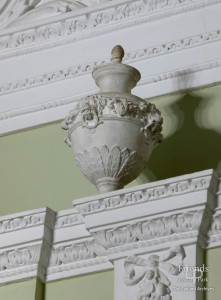
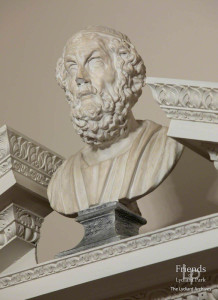
Seven plaster busts and two decorative urns are an integral part of the 18th century decorative scheme in the Hall at Lydiard House. Surrounding plaster reliefs are decorated with flowers and ribbons, as well as lion heads towards the corners of the room.
The busts are copied from Roman and Greek examples in keeping with the neo-Palladian remodelling of the building. Some have been identified according to names etched or pencilled on their bases, though queries remain. The largest bust which sits aloft over the chimney piece, was previously thought to be of Marcus Aurelius, but has more recently been identified by Art UK as representing Caracalla. Art UK also attributes the work to the prominent 18th century sculptor Henry Cheere who is credited with several of the chimney pieces in the State Rooms.
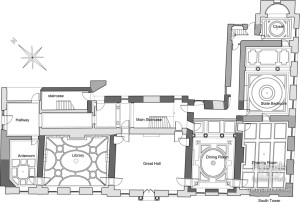
The Hall gives the appearance of symmetry, order and regularity associated with classical buildings. Unseen today, it retains walls from the previous Tudor Hall and incorporates part of the former courtyard.
The adjacent Library also contains a series of plaster busts.